I need to say this somewhere, even if nobody believes it.
I’m sober.
Properly sober. Not “I cut down.” Not “I only drink on weekends.” Completely sober after years of using alcohol as the only reliable way to turn the volume down on my own head. And the part nobody tells you is that the first months can feel worse than the drinking ever did.
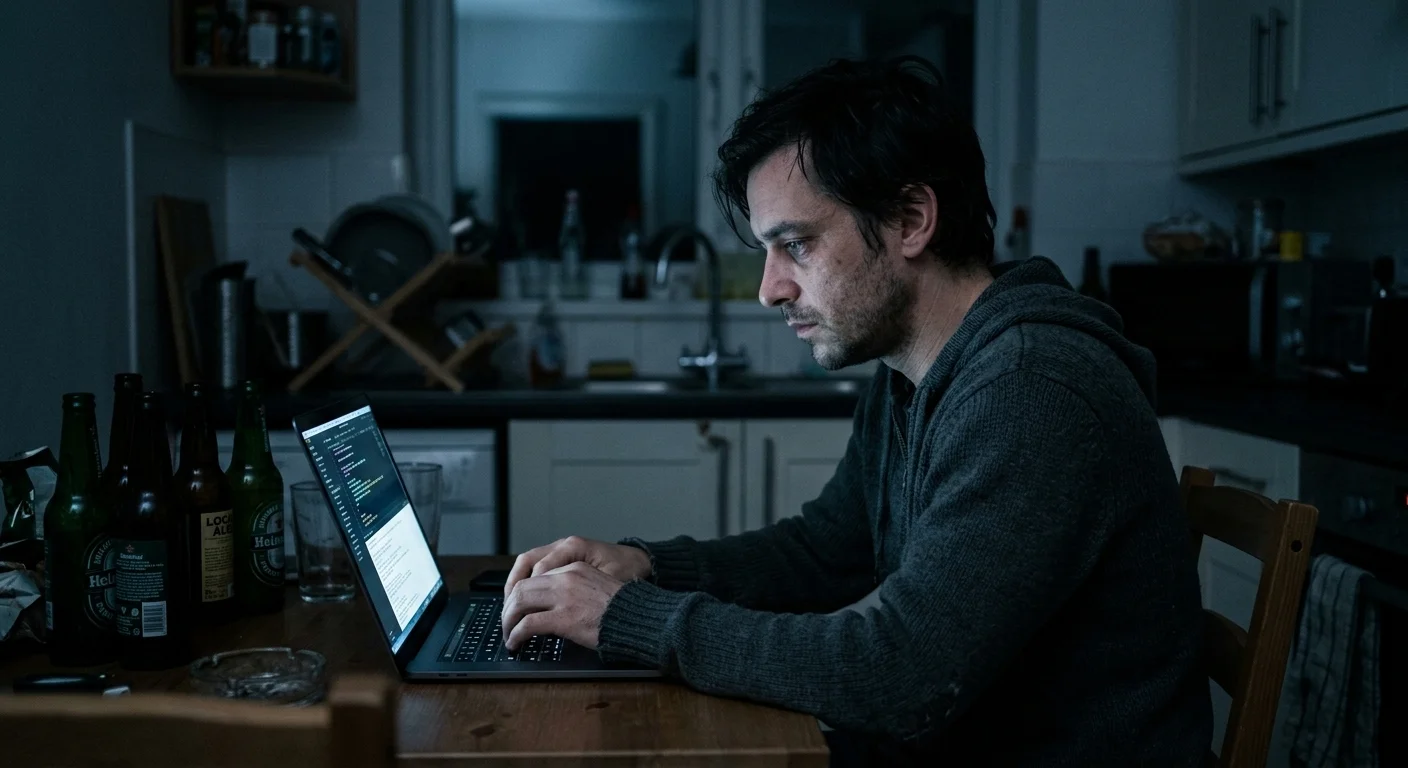
When you stop, the world doesn’t become peaceful. It becomes sharp. Lights in the supermarket feel like they’re cutting into your eyes. Other people’s voices sound too loud, too close, too unnecessary. You start noticing every small sound in the flat — the fridge humming, the neighbour’s door, your own breathing. Your skin feels thinner. Some days I would stand in the kitchen and feel a wave of panic rise for no reason at all: heart kicking, hands cold, the sudden conviction that something terrible was about to happen even though nothing was happening.
I became irritable in ways that shocked me. I snapped at my girlfriend over the way she put a cup down. I argued with my family about things that didn’t matter and then sat in the bathroom afterwards feeling disgusted with myself. I knew the anger wasn’t really about them. It was the brain trying to find an outlet for all the static it no longer knew how to process. Alcohol used to smooth that static over. Without it, the static just sat there and crackled.
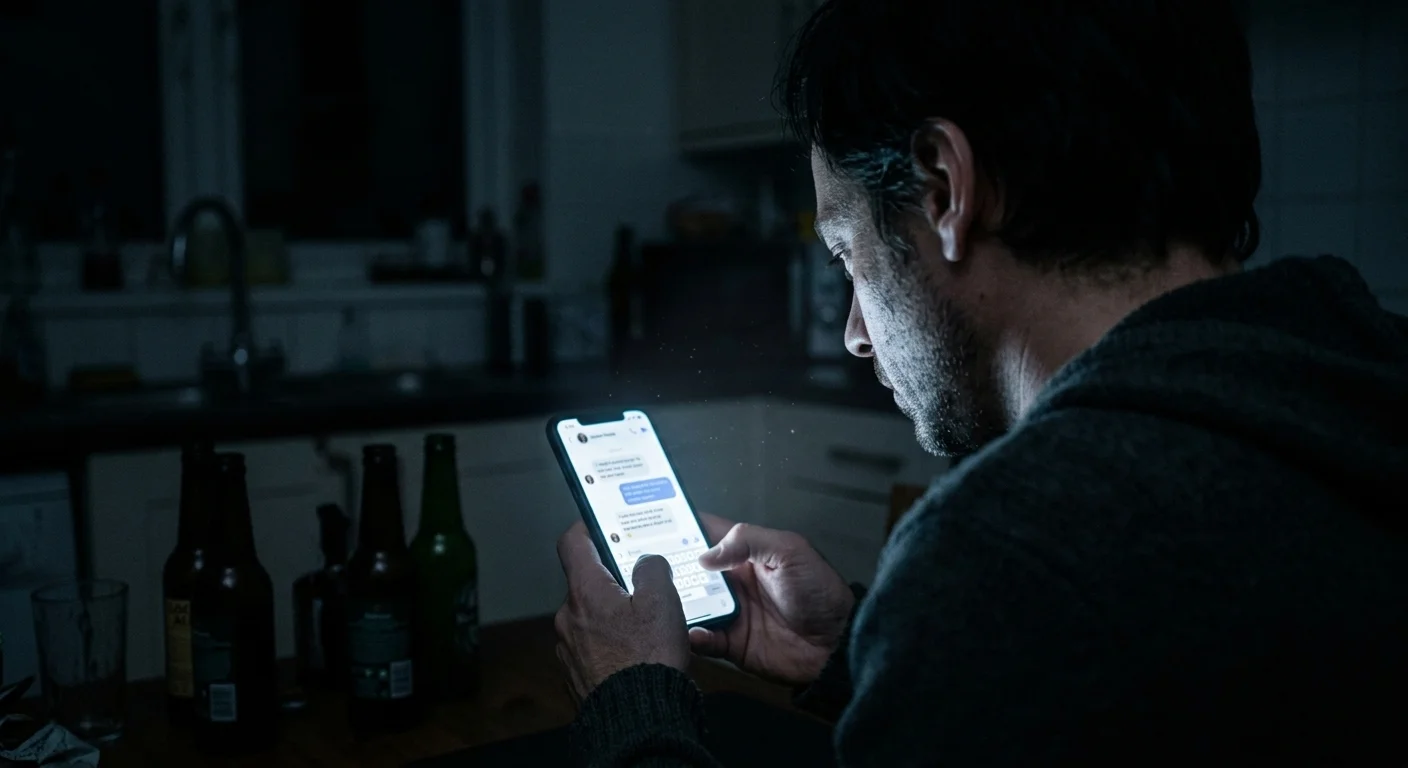
Sport was supposed to help. I forced myself to the gym, I ran until my lungs burned, I took cold showers that left me shaking. For an hour or two afterwards there was a temporary quiet. Then evening came and the quiet collapsed. The hours between eight and midnight became the most dangerous part of the day. That was when the old thought would appear: just one beer, just to take the edge off, just so I can sleep without my mind racing. I was more afraid of that thought than of anything else. I was terrified of proving to myself that I couldn’t stay sober, that the whole effort was pointless, that I was still the same person who needed a chemical exit every night.
I started writing in random groups. Not long posts. Just short, almost embarrassed messages: “I’m sober and I feel worse. Everything is too bright and too loud. I keep fighting with people I love. Sport isn’t enough. I don’t know what to do with my head in the evenings.” Most replies were kind but useless. One person wrote something that felt almost careless: “Try playing online for a while. Sometimes it just gives the brain something narrow to hold onto.”
I stared at that comment for a long time.
I had never played anything like that. Not once in my life. I always had the quiet superiority of someone who thought it was for people who liked losing money. Part of me immediately decided it was probably an indirect advertisement. Another part of me was so tired of the panic and the arguments and the fear of relapse that I simply didn’t care anymore what it looked like. I decided I would try it the same way I used to open the fridge for a beer — without ceremony, without big expectations, just as a possible way to get through the next three hours.
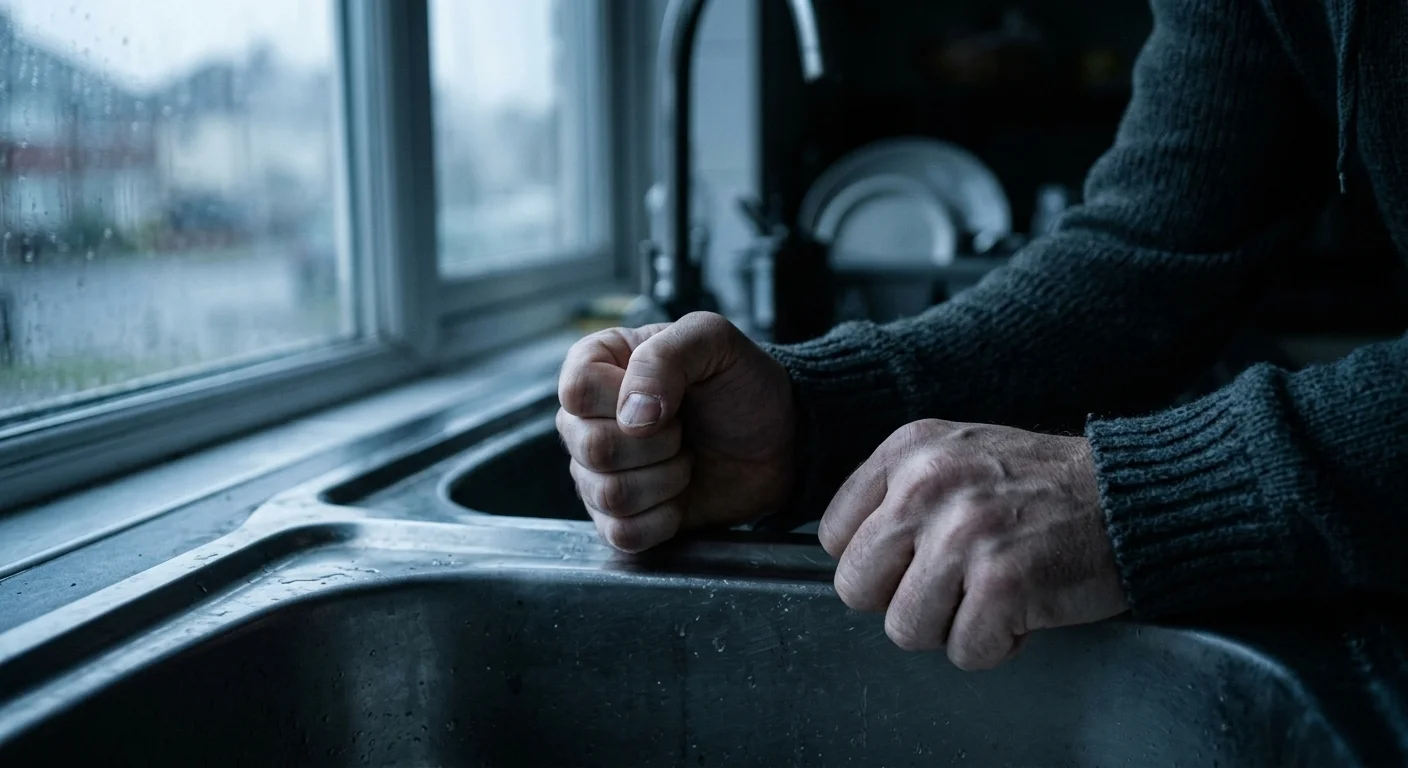
The first registration felt clumsy. I didn’t understand half of the buttons. I almost closed the page several times. Then I remembered the only mental rule that had ever helped me with alcohol: decide the amount while your head is still clear, and treat it as the fixed cost of an evening, not as a potential profit or a potential disaster.
So I did the same thing here.
I asked myself a simple question: how much money would I comfortably spend if I went to a bar tonight with friends, or if I just kept drinking at home until I fell asleep? That number became the deposit. No more. And I made a strict deal with myself: whatever happens on the screen, I am not allowed to turn it into proof that I am unlucky or weak or broken. It is simply the price of not sitting alone with the static.
The first time the numbers started moving, my hands were actually shaking. I could feel the old familiar fear rising — the fear of watching money disappear and then feeling the shame afterwards. I kept waiting for the usual collapse. Instead, something unexpected happened. For the first time in weeks my attention narrowed to a single track. The background noise in my head dropped. The irritation that usually sat under my skin loosened. I wasn’t thinking about how unreal the world felt, or how I had spoken to my girlfriend earlier, or whether I would make it through another night without drinking. I was just following what was in front of me.
I lost some of that first session. Of course I did. But the loss didn’t send me into the same black hole it used to, because I had already paid the emotional price before I started. And when a small win appeared, I felt something I hadn’t felt in a very long time: a quiet click in the chest, a brief proof that my brain could still catch a different rhythm instead of only drowning in the old one.
After that I started testing more carefully.
I registered on several different platforms. On some of them I did what most people probably do: I created the account, looked around, maybe deposited a tiny amount, closed it, came back the next day, deposited a bit more, waited again. The results were mixed — some wins, some losses, nothing that felt special. The sessions felt heavier, slower, more like the old life I was trying to leave behind.
Then I changed one single variable.
On new accounts I began depositing the full amount I was willing to risk immediately after registration — the same way I would have paid for a night at the bar without overthinking it. And that was when something clicked hard enough that I actually sat back in my chair.
I still won and lost. I’m not going to rewrite history. But the frequency of finishing ahead jumped. Not slightly. Noticeably. When I registered, waited, checked the site for a couple of days, came back on the third or fifth day and only then put money in, the same platforms suddenly felt more resistant. The wins came slower or smaller. The whole experience sat differently in my chest. When the money went in at the very beginning, while the account was still completely new, the sessions had a lighter, clearer quality. I finished ahead more often than I expected. Enough times that the old story I used to tell myself — “I am simply the kind of person things don’t work out for” — started to crack in real time.
My brain woke up.
Not because of the money. I was never chasing big numbers. It woke up because it finally had a living question to turn over: why does the exact same action produce a different feeling and different results depending on when the first real deposit happens? That small analytical loop pulled me further out of the passive, depressive fog than any of the motivational advice I had tried.
I found one platform where the difference felt clearest.
I registered, deposited immediately, and finished the day ahead. I withdrew the same evening. A few days later I wanted to know if it was just luck. I deposited again right away. I went slightly down at first, then recovered, then finished ahead once more. I kept testing — third time, fourth time — always with the same rule: the money goes in at the beginning, while everything is still fresh. Sometimes I lost. I never pretended otherwise. But the overall rhythm stayed better than on the platforms where I had hesitated.
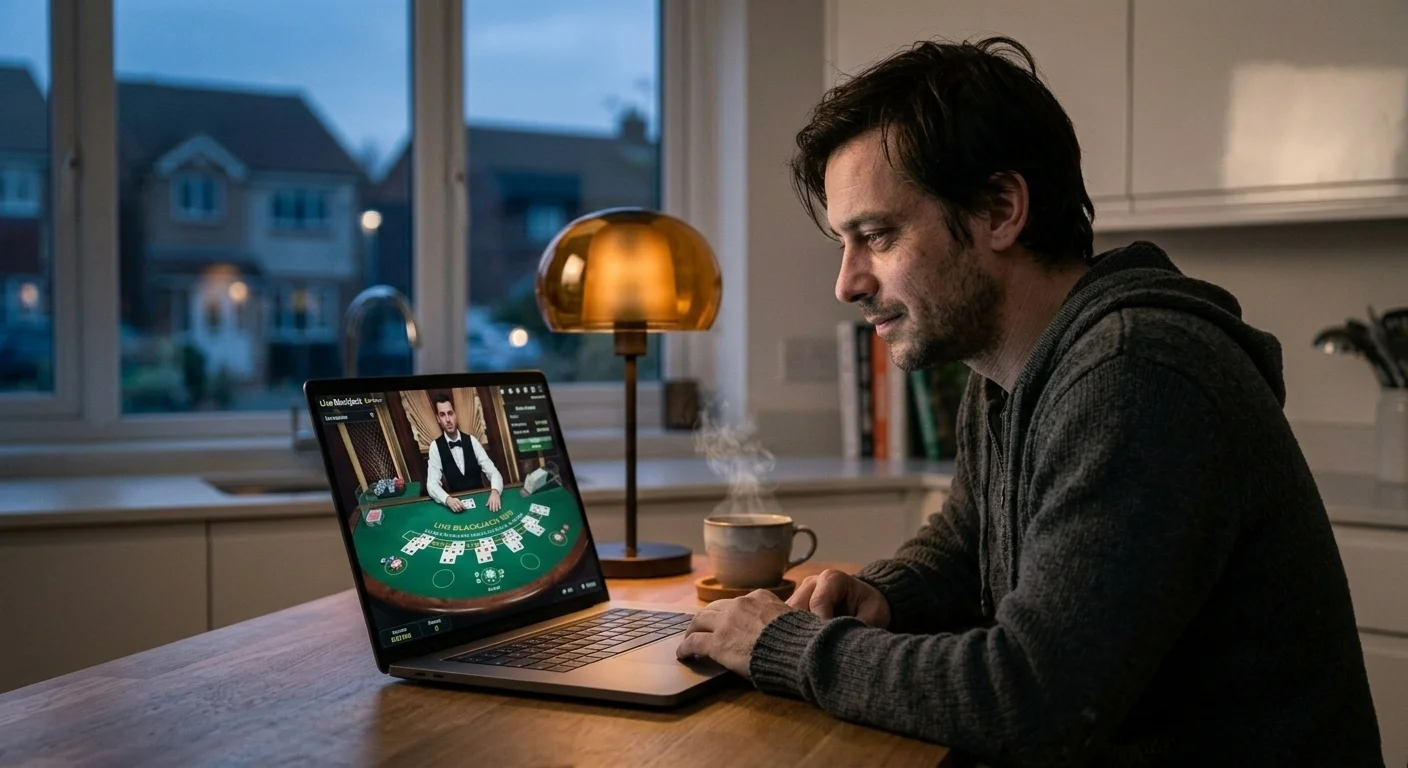
I already tell myself that one day the pattern may flatten or disappear. That thought doesn’t scare me the way it would have before. Because the real shift wasn’t only in the results. It was in the fact that my brain had found something that required attention, small decisions, and the ability to stop. Even on the evenings I finish slightly down, I notice that I close the page calmer than I opened it.
I still use only one platform now.
The one that feels the lightest for me — fast withdrawals, support that actually answers, and, for whatever reason, the place where my own pattern still works best.
I’m not dropping any affiliate link. I’m not getting paid to say this.
I’m simply staying where it still feels less heavy than everything else I tried.
Everyone’s reasons are different.
Some people need noise that isn’t alcohol. Some people need a narrow track for their attention when the evenings get too long. Some people just want a different kind of tension after a flat day. Mine are simple: it keeps my head occupied in a way that sport and cold showers never managed.
If none of this resonates, that’s completely fine.
If something in it does — you already know where I am.
Most prelanders fire CompleteRegistration or Lead on button click. This teaches the algorithm to optimize for clicks instead of real registrations and FTDs.
We do it differently. The only events that go back to the ad platform are real Registration and First Deposit postbacks from the offer. This is why the optimization stays clean.