The Dopamine Experiment
I have everything a man is supposed to want. At 36, my life looks like a blueprint for success: a loving wife, two healthy kids in a great school, solid careers, two cars, financial security, and a comfortable home we bought ourselves. No rich parents, no shortcuts. Every single piece of this life was forged through my own discipline, sweat, and patience.
Yet, routine has a subtle way of dulling the edges of reality.

For over a decade, my quiet obsession has been psychology—not to treat patients, but to decipher human nature and understand the mechanics of my own mind. I didn’t want to just exist; I wanted to analyze existence. To an outsider looking in, questioning a life this comfortable seems like a classic midlife crisis. But it wasn't a crisis. It was a sensory numbness. I swapped workout routines, joined new clubs, even took up chess to force my brain into absolute focus. Still, during every match, my mind would drift. The dopamine hits were weak, predictable, and temporary.
Then came an ordinary evening, an anonymous TV series about digital assets, and an unexpected spark.
My wife and I got so hooked that we completely forgot about our strict sleep schedule and devoured four episodes in a row, glued to the screen late into the night. The next day at work, I felt a strange shift in my energy—I was filled with this electric, childlike excitement, counting down the minutes like a kid waiting to sprint home from school just to watch his favorite show.
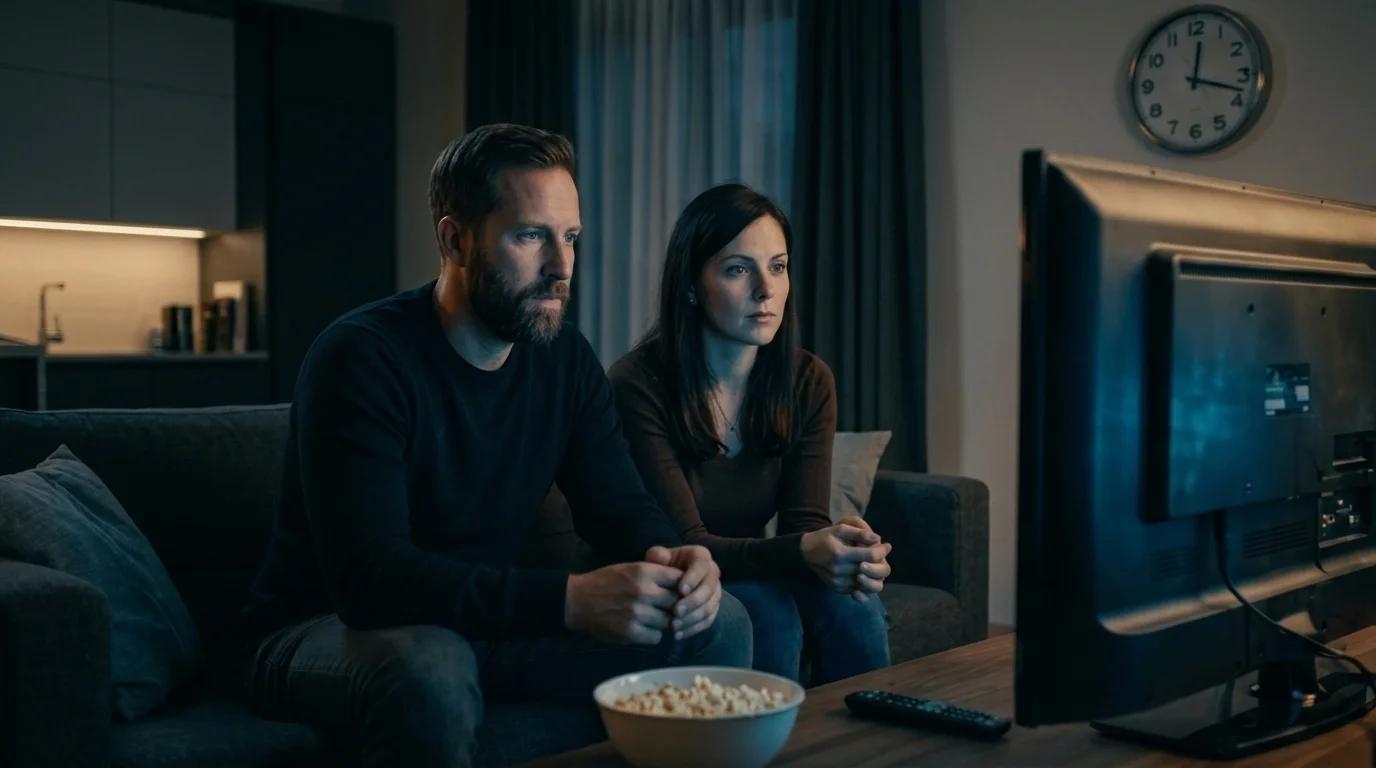
As soon as the workday ended, I rushed straight home to fire up the second evening's marathon and finish the series.
The characters, the high-stakes maneuvers, the unpredictable plot twists—they unlocked an avalanche of new thoughts. It made me realize how complex human nature is, how fast we evolve, and just how vast the uncharted world around us really is. It was only after the screen went dark on that second night, with those ideas still buzzing in my head, that I began to actively research and explore the world of crypto gambling.
I’m no addict. In the past, I’d visit a traditional casino with friends just to unwind. But comparing legacy iGaming to crypto gambling revealed a completely different psychological landscape. Crypto promised absolute anonymity, global reach, and a friction-free borderless environment—concepts that feel like a foreign planet to the older generation.
Curiosity got the better of me. Connecting unknown Web3 wallets, dealing with clunky UI, and navigating slow support teams felt like solving a puzzle, but I persevered. Then came the moment I placed my very first crypto bet.
The sensation was completely alien compared to a standard casino. I started small. I won a modest amount, exercised absolute self-control, and went to bed.
What happened next blew my mind. The human brain processes, restructures, and rewires new experiences while we sleep. When I woke up the next morning, an unexplainable smile was plastered across my face. I walked into the kitchen, kissed my kids, kissed my wife, and carried a surge of light energy I couldn't rationally explain. Was it the win? Or was it the thrill of stepping into the unknown?
I had to test the hypothesis. That night, after finishing my duties as a husband and father—helping my wife, checking homework, locking down the house—I took one hour for myself. I played again. And I won again.
That was the moment the psychological breakthrough hit me. It wasn't about the money; money is just an exchange tool. It was a neurological rush equivalent to winning a high-stakes athletic championship, falling in love, or experiencing a primal first.
To master this environment, I knew I had to run cognitive behavioral hacks on my own brain to avoid the trap of tilt, anger, and loss-chasing:
The Sunk-Cost Neutralization: Before placing a single bet, I framed the capital not as an investment, but as an admission ticket—the exact cost of a night out at a high-end pub or a night at the cinema. The money was already spent for entertainment. Losing it could no longer trigger self-loathing or stress.
Forced Impulse Control: I established an unyielding binary threshold. When my timer or loss cap said Stop, I walked away instantly. No exceptions. It transformed the session from mere gambling into a high-intensity exercise in stoic patience.
The Compound Risk Strategy: I calculated my emotional risk reserves dynamically. If I allocated $\$100$ to lose on day one and stopped at a lower threshold, I carried the unspent mental budget into the next session's psychological frame, keeping my risk calculated and my mind entirely calm.
I began to realize why this hit so deep. It offered total mental decompression. Most people go to bed with racing thoughts because night is the only time they are forced to sit alone with themselves. Some people write poetry, some run marathons, and some battle addiction. Former alcoholics or people fighting depression often struggle because sober reality feels muted; they long to feel present.
Playing didn't make me a gambler; it made me feel acutely alive. It proved that luck wasn't just a myth for other people—sometimes, fortune favors my side of the table. It gave me a private, quiet space to test my boundaries, sharpen my mental reflexes, and carry a quiet confidence back to my daily family life.

In business and in life, if you only pursue the payout, you almost always fail. But when you master the process and pay purely for the thrill of the experience, the universe has a strange way of shifting the odds in your favor.
And who knows, maybe one day I'll be lucky and will win big. Still inside myself there is that feeling the winning is possible, at least without the trying is impossible and we know that. And this feeling like a small warm engine give me a smile even writing this.
For those who have asked how I navigate the practical side of this—avoiding shady platforms, broken Web3 connections, missing customer support, and delayed withdrawals—I eventually stopped testing random sites and stuck to one specific, reliable platform that handles everything seamlessly. I’m not selling anything or chasing affiliate perks, but if you’re curious about where I personally run my sessions without the technical headaches, I’ve left the link below for you to inspect yourself.
Note:
Most prelanders fire CompleteRegistration or Lead on button click. This teaches the algorithm to optimize for clicks instead of real registrations and FTDs.
We do it differently. The only events that go back to the ad platform are real Registration and First Deposit postbacks from the offer. This is why the optimization stays clean.